

The Department of Electrical and Electronic Technology is equipped with nine well-established laboratories designed to provide hands-on experience that complements the department’s broad curriculum. These laboratories support teaching, industrial training, and final-year research, ensuring students graduate with the practical skills required in modern engineering environments.

State of the art laboratories empowering innovation, research, and hands-on learning in Electrical and Electronic Technology.
The department maintains well-equipped laboratories to support practical training, experimentation, and research across physics, electrical and electronic engineering, automation, computing, communication systems, and smart technologies.
| No. | Laboratory Name | |
|---|---|---|
| 1 | Physics Laboratory | 👉 Click Here for More Information |
| 2 | Advanced Research Laboratory | 👉 Click Here for More Information |
| 3 | Electrical and Power Laboratory | 👉 Click Here for More Information |
| 4 | Robotics and Automation Laboratory | 👉 Click Here for More Information |
| 5 | Analog and Digital Electronics Laboratory | 👉 Click Here for More Information |
| 6 | Electro-technical Fabrication Laboratory | 👉 Click Here for More Information |
| 7 | Computer Laboratory | 👉 Click Here for More Information |
| 8 | Telecommunication Laboratory | 👉 Click Here for More Information |
| 9 | Smart Systems Laboratory | 👉 Click Here for More Information |

Common Laboratory Downloadable Resources
| No. | Resource Name | Download Link |
|---|---|---|
| 1 | Laboratory Handbook | Click here to download |
| 2 | Lab Safety Guidelines | Click here to download |
| 3 | Weekly Lab Timetable | Click here to download |
| 4 | Lab Equipment Booking Form | Click here to download |
| 5 | Full Equipment Inventory (All Labs) | Click here to download |
| 6 | General Lab Rules & Conduct Policy | Click here to download |
01. Physics Laboratory
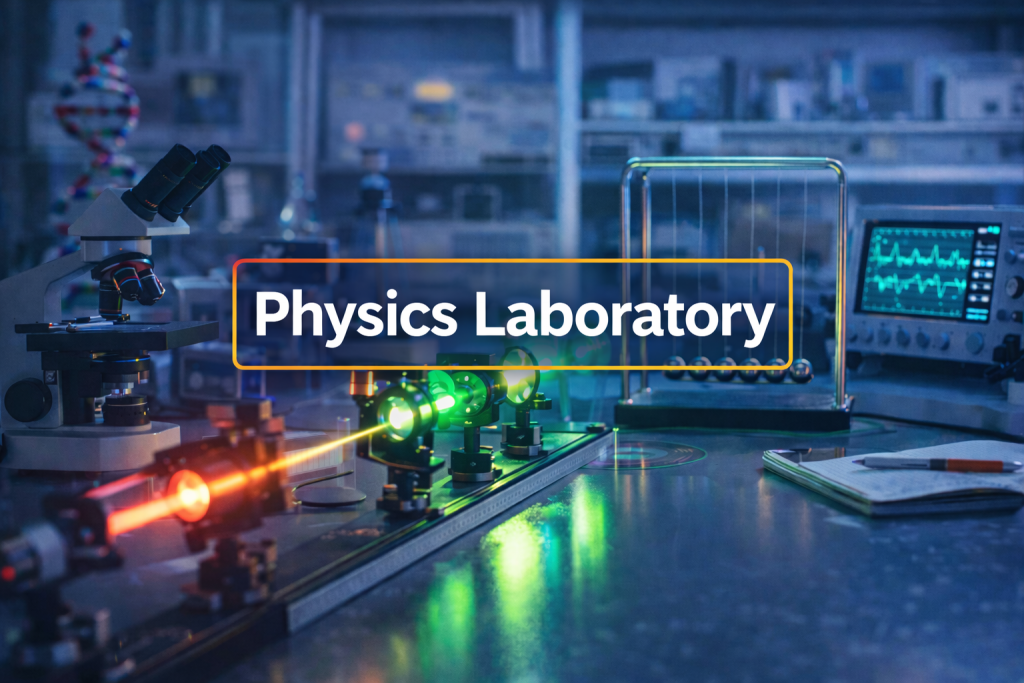
The Physics Laboratory introduces students to the fundamental principles of science and engineering. It supports experiments in mechanics, electricity, magnetism, waves, optics, and introductory electronics, helping students develop analytical and experimental skills that form the foundation for advanced engineering studies.
02. Advanced Research Laboratory

The Advanced Research Laboratory is dedicated to final-year projects, undergraduate research, and faculty-led investigations. It provides resources for cutting-edge work in renewable energy, embedded systems, IoT applications, smart grid technologies, and prototype development, enabling students to transform ideas into real solutions.
03. Electrical and Power Laboratory
This laboratory focuses on power engineering and electrical systems. Students gain hands-on experience with electrical machines, transformers, protective devices, and power system models. It provides an environment to study generation, transmission, distribution, fault analysis, and system behavior under various operating conditions.
04. Robotics and Automation Laboratory
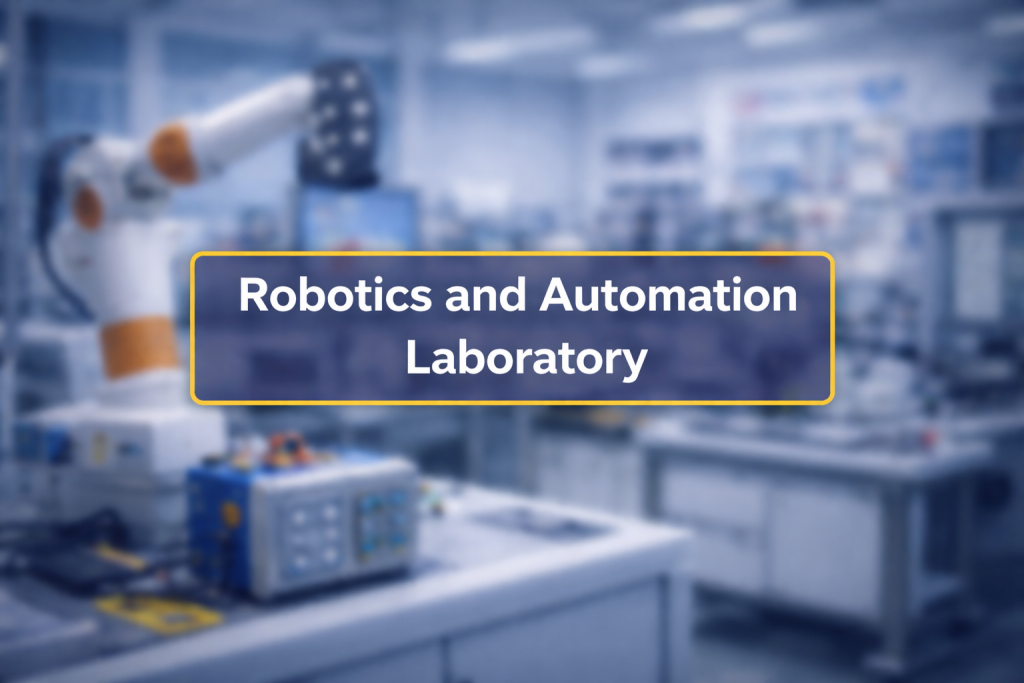
The Robotics and Automation Laboratory is designed to train students in industrial automation, robotics, and intelligent control systems. It is equipped with PLCs, robotic arms, SCADA software, and electro-pneumatic kits, enabling learners to understand automation processes and prepare for Industry 4.0 practices.
05. Analog and Digital Electronics Laboratory
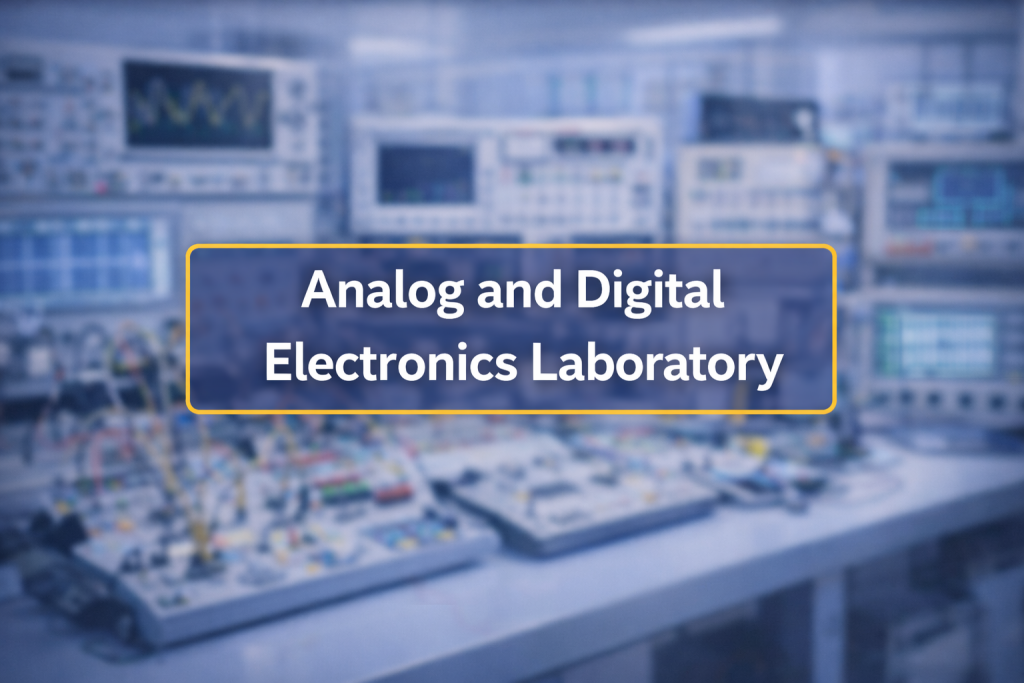
This laboratory provides facilities for studying analog and digital circuits, semiconductor devices, microcontrollers, and embedded systems. Students use oscilloscopes, signal generators, FPGA boards, and simulation tools to design, build, and test electronic circuits, bridging theory with hands-on practice.
06. Electro-technical Fabrication Laboratory
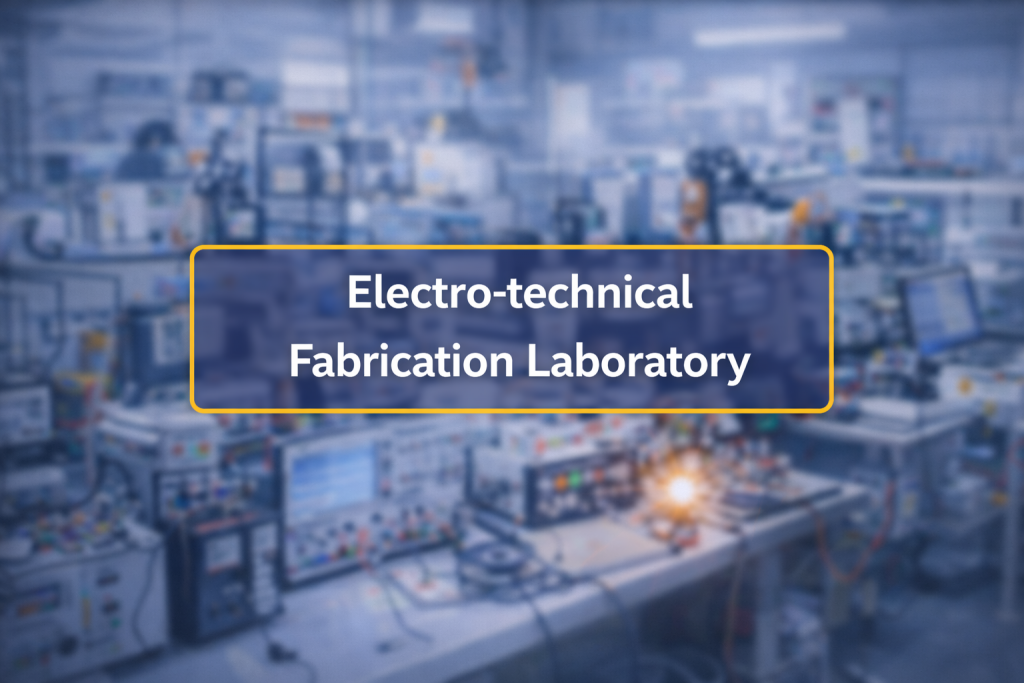
The Electro-technical Fabrication Laboratory offers practical training in electrical wiring, panel design, equipment assembly, and testing techniques. It is essential for developing hands-on skills in installation, maintenance, and fabrication tasks that are critical for industry-focused applications.
07. Computer Laboratory
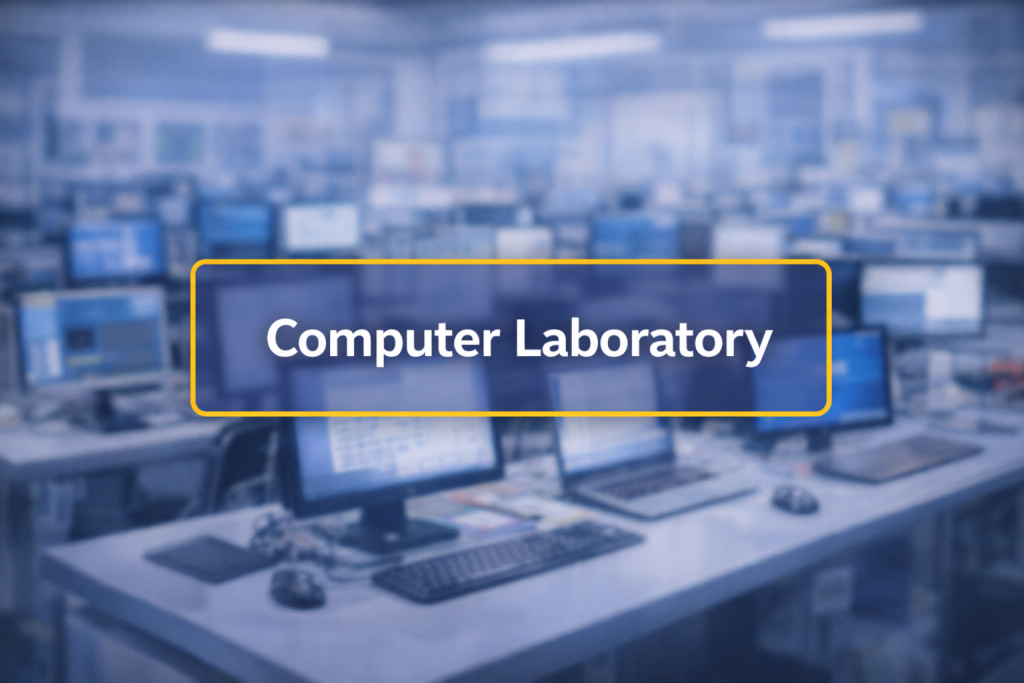
The Computer Laboratory is equipped with modern computing facilities and software for simulation, circuit analysis, and design. Students use tools such as MATLAB, LabVIEW, Proteus, AutoCAD Electrical, and C-based programming platforms to support coursework, projects, and research activities.
08. Telecommunication Laboratory
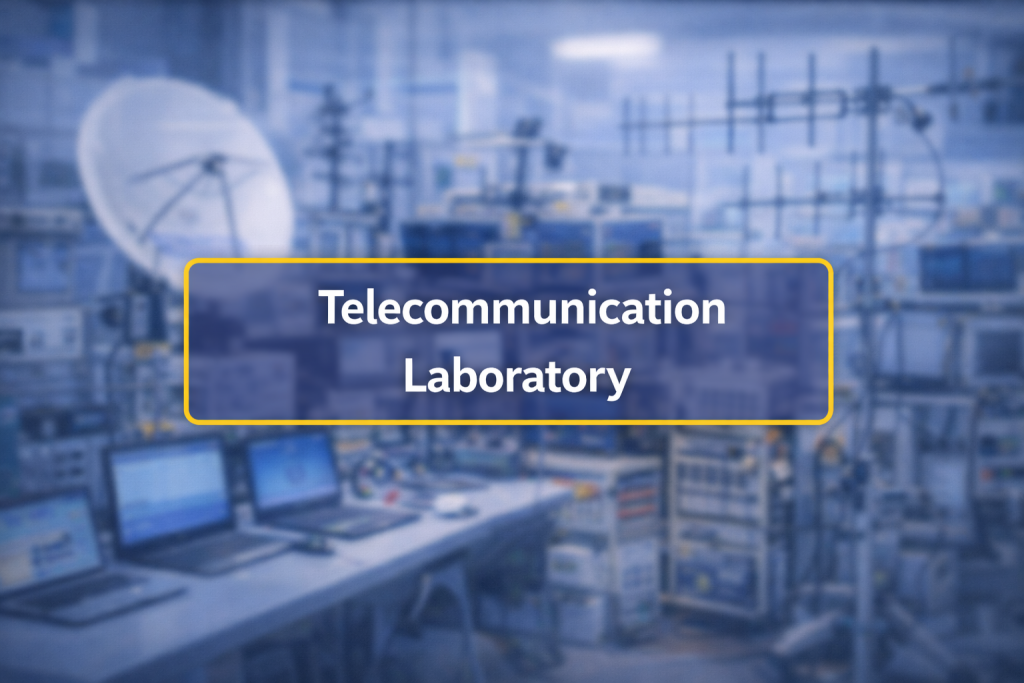
This laboratory supports experiments in communication systems, including modulation, coding, signal processing, antennas, and fiber optics. With access to spectrum analyzers, RF kits, and wireless communication modules, students gain practical knowledge of modern telecommunication technologies.
09. Smart Systems Laboratory
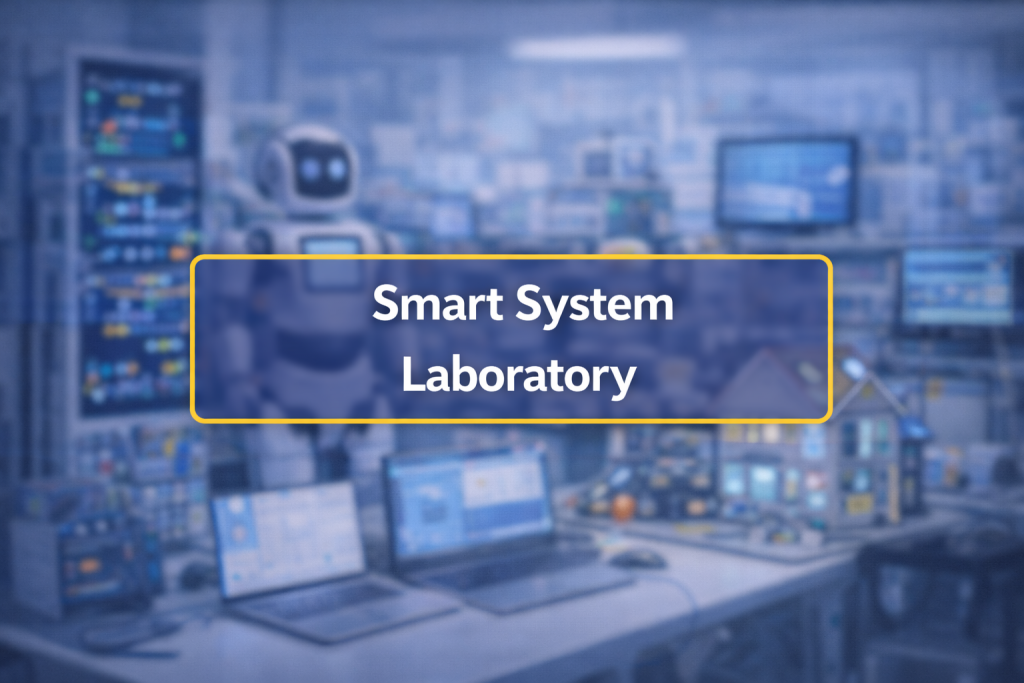
The Smart Systems Laboratory integrates concepts of IoT, sensors, automation, and artificial intelligence. It allows students to design and test smart solutions such as intelligent monitoring, control, and data acquisition systems, encouraging creativity and innovation in emerging technologies.